The Gwinnett County real estate market keeps changing, but the places where real value hides remain surprisingly consistent. Whether you are looking to buy a home in Gwinnett County or planning to sell, knowing what features and neighborhood characteristics deliver long term return helps you make decisions that hold up through market cycles. This guide points you to practical signals that matter now and will still be useful years from today.
Start with market context before you search or list. Pay attention to inventory levels, average days on market, and how quickly homes sell compared to list price. For buyers, low inventory means being prepared with mortgage pre-approval and a clear offer strategy. For sellers, similar signals tell you when pricing aggressively can generate multiple offers or when modest pricing and smart staging will get you to the best net proceeds.
Look for neighborhood fundamentals that drive repeat demand in Gwinnett County. Strong schools, proximity to major commute corridors like I 85 and I 985, access to parks and community centers, and visible investment in nearby retail or transit are steady value drivers. Micro differences between nearby subdivisions can produce wide variations in resale results, so compare recent sold prices and days on market for the exact block rather than relying on county-level averages.
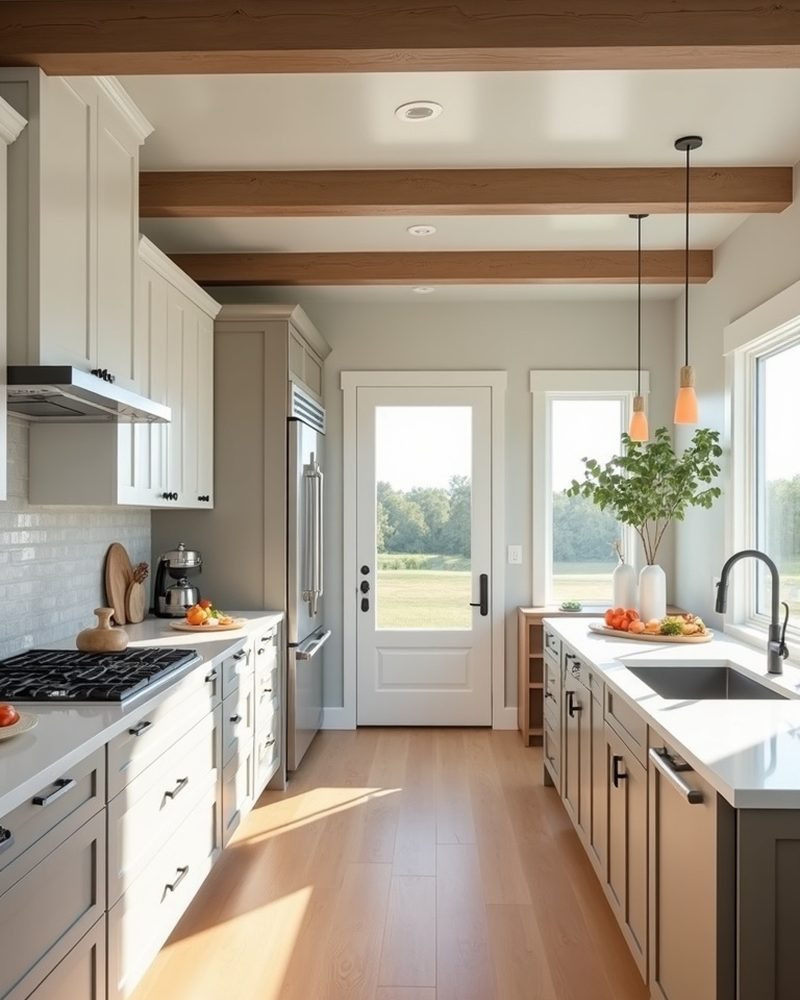
Prioritize the home features that buyers consistently pay for in Gwinnett County. Practical items matter: updated kitchens and bathrooms, flexible living spaces for remote work, modern HVAC and roof, two car garages, and usable outdoor space. Short lists of targeted updates often beat a long renovation list; for sellers, pick improvements with strong ROI in this market, and for buyers, factor in which updates you are willing to do after purchase to get a better price now.
Understand new construction versus resale choices. New homes in growing Gwinnett neighborhoods bring warranties and modern floor plans, but resale homes can offer mature landscaping, larger lots, and established community character. Compare total cost of ownership including taxes, homeowner association fees, and likely maintenance to decide which option gives better long term value for your goals.
Use local data to shape offers and pricing. Instead of relying only on automated estimates, check recent comparable sales within a few weeks and a mile of the property, verify current active inventory, and look for patterns in price reductions. Sellers should test pricing against buyer behavior: if showings are low and days on market rise, consider a targeted adjustment rather than waiting for a price war.
For investors or repeat buyers thinking about resale potential, focus on predictable demand: proximity to high performing school zones, transportation access, and neighborhoods with rising new amenities like grocery stores, eateries, or healthcare. These elements attract steady buyer pools and can reduce holding time when you decide to sell.
Small moves that produce big returns include professional staging for photos and first showings, a timed improvement plan that prioritizes kitchens and master bathrooms, and clear maintenance records for buyers to review. For buyers, a pre-offer inspection allowance or an information request list can reveal maintenance or mechanical issues that affect offer structure and bargaining power.
If you want local help with buying or selling in Gwinnett County, work with a team that tracks neighborhood-level trends and tailors strategy to your goals. The Rains Team combines on-the-ground insight with practical pricing and negotiation tactics. Call The Rains Team at 404-620-4571 or visit
www.gwinnettnewhomes.com to see current listings, market snapshots by neighborhood, and a customized plan for your next move in Gwinnett County.
