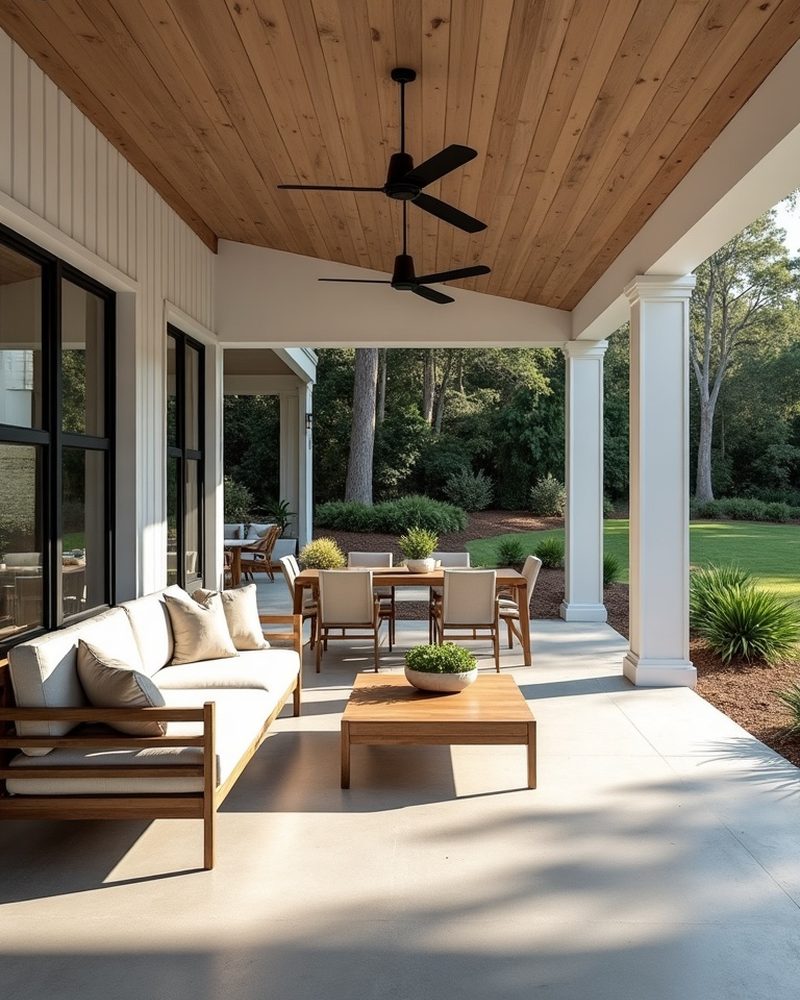
If you are thinking about buying or selling a home in Gwinnett County this year, the smartest moves start with a few focused priorities. Whether you are looking at Lawrenceville, Suwanee, Duluth, Buford, Sugar Hill, Dacula, Snellville, Norcross or Lilburn, putting these practical steps first will save time, reduce surprises, and help you capture more value from the local market.
Start with a clear cash flow and financing picture. Buyers who get pre-approved for a mortgage before shopping have stronger negotiating power and can act quickly when a desirable Gwinnett County home hits the market. Sellers benefit by understanding current interest rates in relation to buyer demand because financing conditions shape the pool of qualified buyers. Talk to a lender early to compare mortgage programs and get realistic monthly payment estimates for neighborhoods you are considering.
Know the neighborhoods that match your lifestyle and long term value goals. Gwinnett County is large and varied. Excellent schools, nearby parks, proximity to jobs and transit corridors, and planned new development all influence long term value. Instead of chasing the lowest price per square foot, focus on community features that matter to you: top-rated elementary schools, walkable town centers, shorter commute times to Atlanta or Northeast business hubs, or easy access to I-85 and GA-316.
Price is the most important lever when selling. A local comparative market analysis that reflects recent closed sales in your exact submarket is essential. In many Gwinnett neighborhoods buyers are comparing turnkey condition, modern kitchens, and outdoor living space. Pricing accurately from day one draws multiple showings, reduces days on market, and preserves negotiating leverage. Overpricing commonly leads to long marketing periods and lower final sale prices.
Small investments often produce outsized returns. For sellers, targeted updates such as fresh paint in neutral tones, deep cleaning, decluttering, and professional photos typically yield more showings and stronger offers. Curb appeal matters in Gwinnett neighborhoods with high buyer traffic; inexpensive landscaping improvements and a well-maintained entryway can influence first impressions. For buyers, budgeting for inspection-identified repairs or planned renovations helps you evaluate true cost versus list price.
Use local market signals to time your move. Inventory levels, average days on market, and the ratio of list price to sale price vary across Gwinnett communities. When inventory is tight, buyers may need to move faster and present stronger offers. When supply grows, sellers should be prepared to make homes stand out with price, presentation, and flexible showing windows. Tracking weekly local market updates gives both buyers and sellers actionable insight into timing.
Leverage new construction and resale differences when making decisions. New builds in Gwinnett often offer modern floorplans and energy-efficient systems, but may come with builder timelines and lot premiums. Resale homes can provide mature landscaping and established neighborhoods, and sometimes greater negotiating room. Consider warranty coverage, HOA rules, and long term maintenance costs for either option before committing.
Prepare for inspections and disclosures. Gwinnett County buyers should schedule a thorough home inspection early in the contract period to identify structural, HVAC, roof, and drainage issues common to older properties. Sellers who address obvious maintenance items before listing reduce the risk of surprises and streamline the closing process. Full disclosure of known issues helps build trust and minimizes renegotiation delays.<
