In Gwinnett County real estate, the smartest decisions come from aligning where you are in life with what the local market is doing. Whether you are a first time buyer searching for affordability near transit and good schools, a growing family needing extra bedrooms and backyard space, or a homeowner ready to downsize into a low maintenance townhome, matching your life stage to current Gwinnett market signals helps you buy or sell with confidence. This guide explains practical, evergreen steps for buyers and sellers in Gwinnett County and points you to local resources that matter.
Start with your life priorities then map them to neighborhoods. Make a short list of non negotiables such as school zone, commute time to work, yard size, single level living, or proximity to shopping. Compare those priorities to areas of Gwinnett you are considering — Suwanee for parks and walkability, Lawrenceville for historic character and convenience, Duluth for retail and dining choices, Buford for lakeside living, Dacula and Snellville for affordability and family oriented neighborhoods. This approach keeps decisions grounded long after short term market swings.
For buyers today: get preapproved and keep options flexible. A mortgage preapproval gives you clarity on realistic price ranges and shows sellers you are serious. If interest rates are a concern, compare fixed and adjustable products and ask about rate buys and lender credits. Consider homes that give future resale flexibility: three bedrooms, adaptable spaces for remote work, storage, and simple exterior maintenance. New construction can offer energy efficiency and modern layouts; resale may offer mature landscaping and established neighborhoods. Weigh builder timelines against your need to move.
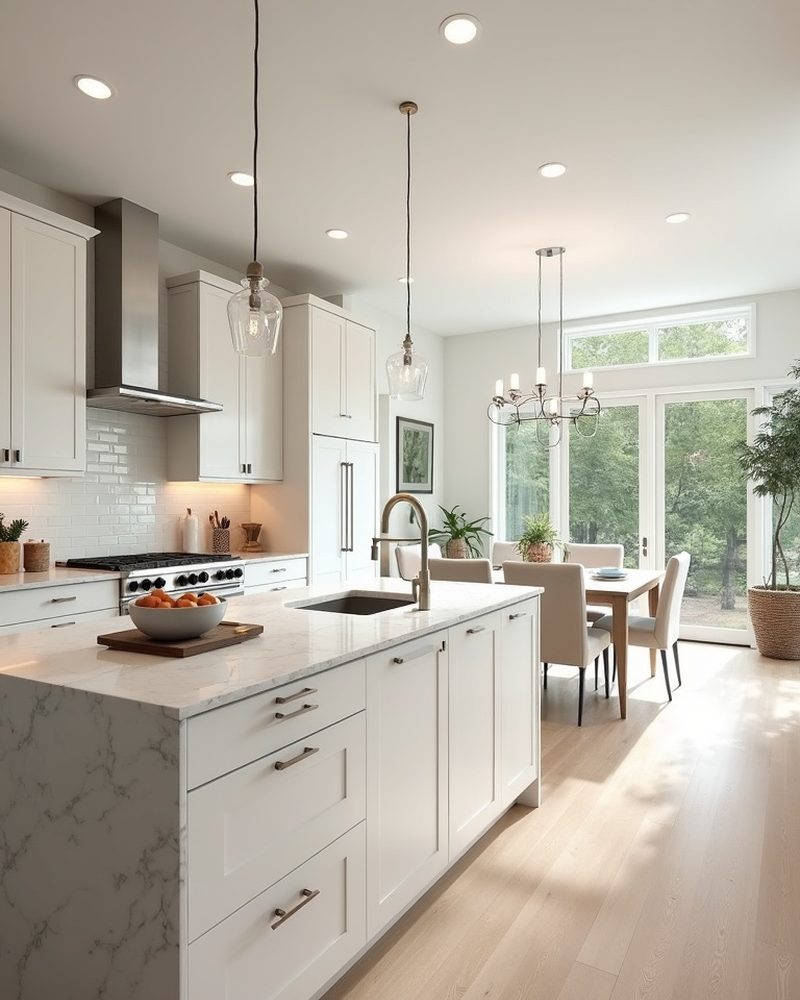
For sellers today: price with precision and invest where it pays. Competitive pricing based on recent comparable sales is still the fastest route to multiple showings and stronger offers. Small, targeted updates yield the best return — fresh paint, decluttering, neutral staging for main living areas, and upgraded light fixtures. Kitchens and bathrooms remain high priority for buyers, but presentation and professional photos drive traffic. Be prepared to explain any HOA, public school assignments, or recent permits since transparency speeds closing.
Use local microseasons to time actions. Gwinnett listing activity, buyer traffic, and days on market shift with school calendars, holidays, and new-construction release schedules. Spring and early fall usually bring more buyers, while late summer can favor sellers who coordinate showings around move-in windows. If your timeline is flexible, listing when buyer traffic rises can mean higher offers and shorter market time.
Pay attention to practical neighborhood signals that predict value. Look for steady maintenance of nearby homes, investments in infrastructure like road or park improvements, strong school performance trends, and accessibility to job centers via I 85, GA 316, I 985 and planned transit expansions. These local signs often matter more for long term value than short term price fluctuations.
Make inspections and disclosures a priority on both sides of a transaction. Buyers should budget for a thorough inspection and use findings to negotiate repairs or credits. Sellers benefit from a pre listing inspection to identify issues that could slow an offer. Clear, honest disclosure builds trust and reduces the likelihood of costly surprises during escrow.
Negotiate with context. In markets with low inventory, sellers can expect stronger offers and may ask for flexible closing dates or limited contingencies. In higher inventory markets, buyers can seek seller paid repairs or price concessions. Always use comparable sales data from Gwinnett County to support pricing and negotiation positions rather than relying on national headlines.
Consider long term costs beyond the mortgage. Property taxes, HOA fees, insurance (including changing flood zone considerations in some areas), utility costs, and maintenance all affect monthly housing expense. For buyers planning to stay several years, investing in energy efficient systems or low maintenance materials can reduce ownership costs and appeal to future buyers.
New construction versus resale: pros and cons for Gwinnett. New builds offer modern layouts, warranties, and often lower immediate maintenance. Resale homes can be less expensive per square foot, in more mature neighborhoods, and closer to schools and services. Ask about builder incentives, estimated completion timelines, and resale comparables when deciding.
Leverage local data and trusted guidance. Use recent median sale prices, days on market, and active listing counts for the specific Gwinnett towns you care about rather than county level averages. For customized market insight and a strategy that fits your life stage and timeline, reach out to The Rains Team at 404-620-4571 or visit
gwinnettnewhomes.com for current listings, neighborhood reports, and tailored advice.
Checklist for Buyers in Gwinnett County Right Now
- Get mortgage preapproval and check multiple loan options.
- Prioritize must haves and trade offs; list non negotiables.
- Research schools, commute times, and future development plans.
- Schedule a thorough inspection and plan a repair allowance.
- Compare resale and new construction with attention to timelines and warranties.
All information found in this blog post is deemed reliable but not guaranteed. Real estate listing data is provided by the listing agent of the property and is not controlled by the owner or developer of this website. Any information found here should be cross referenced with the multiple listing service, local county and state organizations.
