When people search for Gwinnett County homes for sale or think about how to sell their house here, they are really deciding how a property will support daily life and hold value over time. This guide helps both buyers and sellers connect lifestyle priorities with market realities so decisions made today still pay off years from now.
Start with the lifestyle map not just the floor plan. Buyers should list what matters most—school zones and districts, commute time to major job centers like Atlanta via I 85 or I 985, walkability to parks and restaurants, lot size for outdoor living, and proximity to Gwinnett County Public Schools or community amenities. Sellers should package the home around those exact lifestyle features when marketing: highlight the school zone, show real commute times, and present neighborhood amenities in property descriptions for Gwinnett listings.
Understand the local signals that drive price and demand. Instead of memorizing national headlines, track metrics that matter for Gwinnett County: months of inventory, average days on market in your neighborhood, list to sale price ratios, and new housing permit activity in cities like Suwanee, Sugar Hill, Buford, Lawrenceville, and Dacula. These signals tell you whether to be aggressive in pricing, patient in offers, or ready to negotiate incentives on new construction.
Different neighborhoods attract different buyer profiles. Suwanee and Sugar Hill may draw buyers seeking walkable downtowns and event-driven community life. Buford and Hamilton Mill appeal to families looking for larger lots and traditional subdivisions. Sellers can maximize appeal by tailoring staging and marketing to the most likely buyer persona: families, empty nesters, or professionals commuting into Atlanta. Buyers should match the persona to property features that preserve resale value, like attractive primary suites, flexible bonus spaces, and low-maintenance yards.
Timing in Gwinnett is granular. Instead of one market season, think in microseasons. Spring still brings broader buyer interest, but late summer can be a sweet spot for families wanting to move before a school year settles. Fall listings sometimes face less competition and attract serious buyers. For sellers, being ready with a pre-list inspection, professional photography, and a clear pricing strategy will let you seize the right microseason. For buyers, keep pre-approval current and be ready to move quickly when a well-priced home appears.
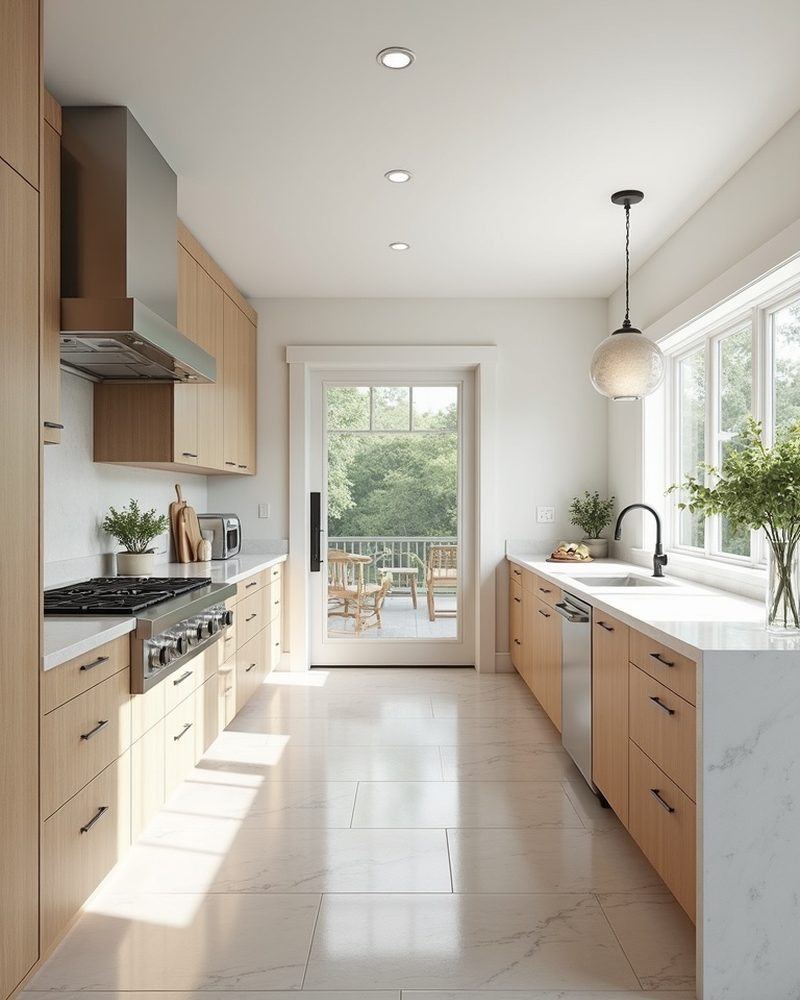
Know which upgrades add value here. Cosmetic fixes yield outsized returns: fresh paint in neutral tones, updated lighting, decluttered and depersonalized spaces, and clean landscaping to boost curb appeal. Kitchens and baths matter, but targeted updates—new cabinet hardware, modern faucets, or refreshed countertops—often give more return than a full renovation. Sellers should prioritize improvements that showcase usable living space and energy efficiency, while buyers should evaluate whether a home’s needed improvements are cosmetic or structural before making an offer.
New construction versus resale requires different playbooks. Builders in Gwinnett often include warranties, customization options, and incentives on financing. Buyers should compare total move-in cost and future HOA fees. Sellers facing new communities nearby can emphasize mature landscaping, established schools, and the practical benefits of older construction. When negotiating with builders, knowledge of recent comparable sale prices and local absorption rates gives buyers leverage on price or upgrades.
Price for behavior not hope. Whether you are listing a home in Lawrenceville or making an offer in Snellville, aggressive pricing that reflects current market data attracts more buyers and often yields better final sale prices. For buyers, understanding typical offer terms—inspection contingencies, appraisal gap expectations, and earnest money norms—helps craft competitive bids without overpaying. Local agents who actively work Gwinnett transactions provide the neighborhood comps and seasonal insight that make pricing work.
Small preparation steps save weeks. Sellers should declutter, secure minor repairs, and create a simple home information packet with utility averages, recent upgrades, and HOA rules. Buyers should get fully pre-approved, research school boundaries, and identify nonnegotiables versus nice-to-haves to speed decisions when touring homes in popular Gwinnett neighborhoods.
Data and relationships matter. Local school performance, ongoing road projects, and planned commercial development have a real impact on long term value. Build a local information network: talk to neighbors, track county planning meetings, and use neighborhood-level sales data to forecast how a property will perform financially over time. Agents who live and work in Gwinnett can surface insights not visible in national reports.
If you want a partner who knows the nuances of Gwinnett County markets—where commuter routes, school boundaries, and community plans intersect with resale value—call The Rains Team at 404-620-4571 or visit
www.gwinnettnewhomes.com. We work with buyers and sellers across Gwinnett to align lifestyle priorities with smart market strategy so your next move is a confident one
