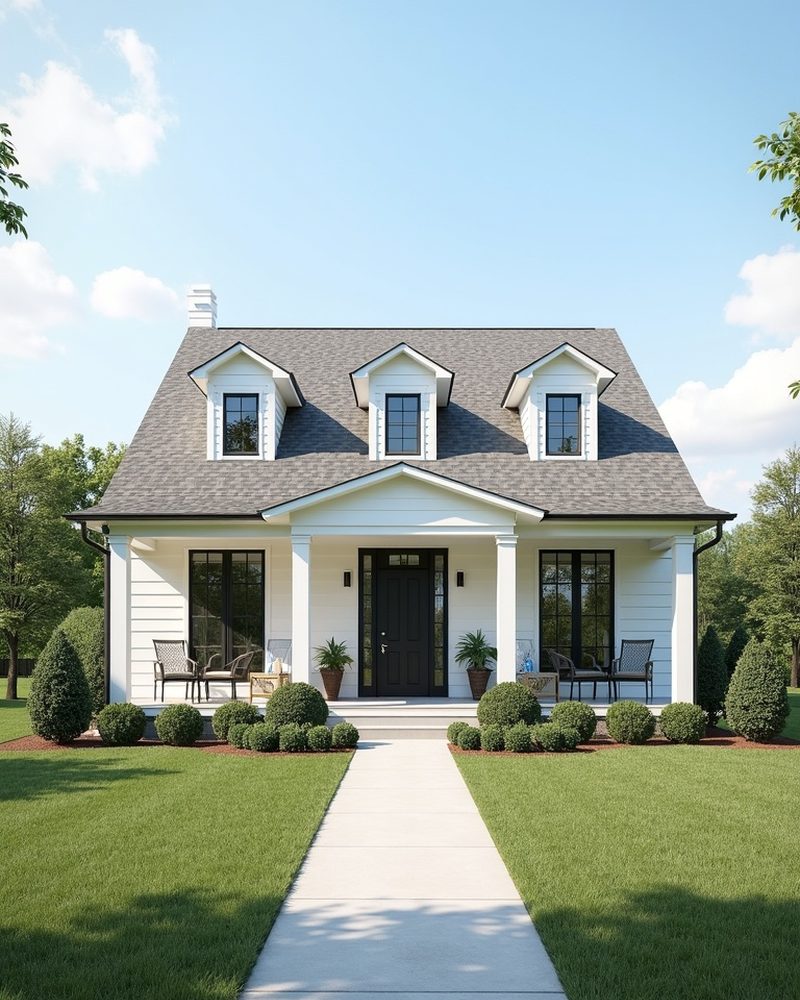
Whether you are buying your first home, upgrading, downsizing, or selling to capture equity, Gwinnett County continues to offer pockets of opportunity that reward local knowledge and smart timing. This guide highlights long lasting factors that shape home values across Gwinnett and practical steps buyers and sellers can use today and years from now to make the most of the market. Use these insights to inform searches, price homes accurately, and prioritize upgrades that pay off at resale.
Start with the micro market view. Gwinnett is not one single market but dozens of micro markets defined by school zones, commute routes, lot sizes, home styles, and local amenities. Buyers who focus on a handful of neighborhoods and learn their recent sales trends will find better deals and faster wins than those scanning countywide listings. Sellers who position their home against comparable properties in the same micro market will price more competitively and reduce time on market.
School quality and enrollment boundaries remain a durable driver of demand in Gwinnett. Even when interest rates or market activity shift, neighborhoods zoned for stronger schools tend to hold value better. When researching a neighborhood, look at both current school performance and planned changes to zoning or capacity that could affect demand in the next five to ten years.
Commuting corridors and access to major roads like I 85, I 285, GA 316 and major employment centers influence buyer preferences. Proximity to these corridors can increase resale desirability but remember that being too close to a busy road can reduce appeal for some buyers. Evaluate commuting tradeoffs and target neighborhoods that strike the balance you want for lifestyle and resale potential.
New construction vs resale presents different value propositions. New builds in master planned communities often include modern layouts, energy efficiency, and builder warranties that appeal to buyers wanting turnkey living. Older homes in established neighborhoods may offer larger lots, mature trees, and architectural character that appreciate with careful renovation. Both paths can build equity; the best choice depends on budget, maintenance tolerance, and timeline.
Smart renovations produce consistent returns in Gwinnett. Kitchen and bath updates, fresh paint, improved lighting, and modest landscape upgrades typically return value at resale. Focus on durable finishes and neutral design choices to appeal to the broadest pool of buyers. Larger projects like adding square footage or reconfiguring floor plans can pay off when they match neighborhood standards and do not overbuild for the area.
Curb appeal and staging matter more than ever in a market where buyers shop online first. High quality photos and a clean, decluttered presentation attract showings and better offers. Sellers should invest in professional photography, timely repairs, and simple staging strategies to highlight flow and functionality. Buyers should look past superficial issues when a home is well maintained underneath the cosmetics.
Price with precision. Use recent comparable sales from your immediate micro market, not just countywide averages. Pay attention to days on market trends, price reductions and sale to list price ratios. For sellers, an initial price that reflects both condition and competition often leads to stronger offers. For buyers, competitive offers informed by local comps and seller motivation increase the chances of success.
Understand local costs that impact affordability and resale. Gwinnett property taxes, HOA fees, and possible special assessments or community maintenance responsibilities can change monthly carrying costs and influence buyer willingness to pay. Verify flood zone status, recent property tax reassessments, and any pending community projects when evaluating value.
Watch for long term growth signals. Investments in infrastructure, new retail and medical centers, expanded transit options, and employment growth in nearby business parks can shift demand patterns over time. Buyers who identify neighborhoods on the cusp of positive change can benefit from appreciation, while sellers can time the market to capture value created by neighborhood improvements.
If you plan to sell, document maintenance and upgrades. A clear record of recent systems service, roof work, HVAC maintenance and permitted renovations reduces buyer uncertainty and supports higher offers. For buyers, a home with documented upkeep is often a lower risk purchase and can justify a stronger offer in competitive micro markets.
Whether you are buying or selling in Gwinnett County, local expertise makes a difference. If you want a customized analysis of a neighborhood, a side by side comparison of new construction and resale options, or a home pricing strategy based on current local comps, The Rains Team can help. Call 404-620-4571 to speak with an experienced local agent and get actionable market insight. Visit
gwinnettnewhomes.com for neighborhood guides, latest listings, and resources tailored to Gwinnett County buyers and sellers.
Make decisions based on the details that matter in Gwinnett County: micro market dynamics, schools, commute access, realistic renovation plans, and precise pricing. With informed steps you can buy wisely or sell confidently and position your property for lasting value. Contact The Rains Team at 404-620-4571 when you are ready for a local strategy that works.
