Buying or selling a home in Gwinnett County requires more than a wish list and a quick market search. Whether you are a first time buyer, upgrading, downsizing, or preparing to sell, this checklist focuses on the local signals and practical steps that produce results now and remain useful for years to come. Use it to cut uncertainty, protect your equity, and make choices that match Gwinnett County's neighborhoods, schools, commute corridors, and development patterns.
Start with neighborhood fit not just the house. Gwinnett County is large and diverse from walkable town centers to suburban cul de sacs and new construction communities. Consider commute routes like I 85, I 285, GA 316 and Peachtree Industrial, school clusters, proximity to healthcare and shopping, and the kind of street life you want. Long term resale and day to day satisfaction both depend on the neighborhood as much as the floor plan.
Understand local market rhythm. Look at active inventory, days on market, and recent sales in your exact community or subdivision rather than countywide averages. For sellers this helps set competitive pricing. For buyers it identifies where you have negotiating leverage. Track similar homes that actually closed in the last 60 to 90 days to see what buyers are paying in your target area.
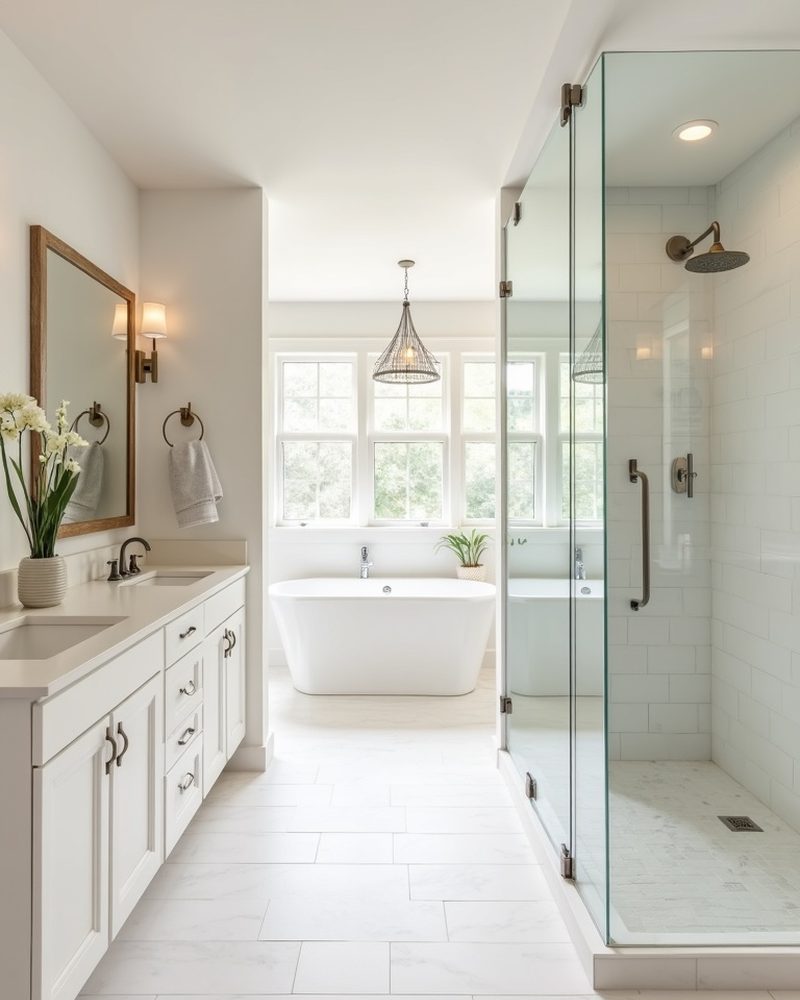
Know what improvements truly add value in Gwinnett County. Kitchen and bathroom updates, attractive curb appeal, and modest energy efficient upgrades often deliver the best returns. Avoid overpersonalized renovations that limit buyer appeal. If this is new construction, evaluate builder reputation, standard finishes, and included warranties so you understand what you will need to invest after closing.
Prioritize inspection and feasibility early. Ask for professional inspections for structure, roof, HVAC, and pest issues. For buyers check flood zones, septic if applicable, and any known neighborhood restrictions or long term assessments. For sellers, a pre listing inspection can identify items you should address up front or disclose, helping you avoid last minute surprises that affect offers or closings.
Match pricing to the moment. An accurate competitive market analysis is essential. Sellers should price to attract the right buyer pool and avoid long tail days on market. Buyers should rely on recent closed sales to craft offers that win without overpaying. In higher demand pockets of Gwinnett you may face multiple offers; in softer micro markets you may have room to negotiate concessions and repairs.
Plan timing around school calendars and seasonal demand. Many Gwinnett buyers with school age children plan moves for summer or term breaks, which can influence demand and competition. Conversely, motivated buyers and sellers can find advantages in off peak months when inventory and buyer attention shift. Align your timeline with inspection windows, lender approval estimates, and the school or work schedule that matters most to you.
Understand homeowner association and zoning realities. Many Gwinnett subdivisions have HOA rules, fees, and architectural controls. Verify what the
