Real estate in Gwinnett County moves on local signals more than headlines. Whether you are buying or selling, a GeoSmart approach—where location data, price bands, neighborhood momentum and cost-effective improvements guide decisions—will help you act with confidence today and still be relevant years from now.
Start with the right local map. In Gwinnett County, "location" includes more than city name. School zones, commute corridors like I 85 and I 985, proximity to new commercial nodes, and new construction clusters shape buyer demand and long term value. Break the county into practical search areas such as Suwanee and Sugar Hill to the north, Lawrenceville and Norcross in the center, Buford and Dacula to the northeast, and Snellville and Lilburn to the south. Compare recent sold prices, days on market, and active inventory across those pockets before you decide where to focus.
What buyers should do first. Get preapproved so you move confidently when the right house appears. Match affordability to realistic price bands for neighborhoods you like instead of chasing the highest listed product. Look beyond cosmetic appeal: check roof age, HVAC history, and any known community plans that could change traffic or future amenities. Consider new construction as a strategic option in growth corridors where builders may offer incentives, but weigh builder warranties and long term resale differences versus established homes.
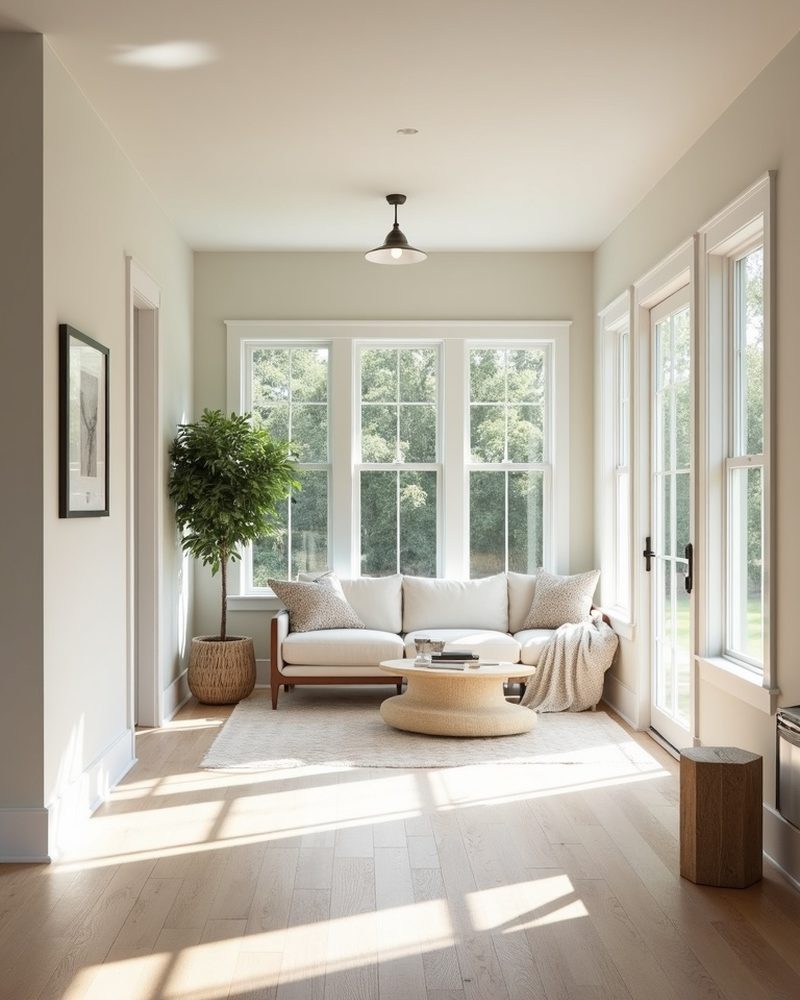
How sellers create lasting demand. Price to the neighborhood's strongest comparable sales and present your home as the best value in that price band. Small, targeted investments usually beat broad renovations. High return updates in Gwinnett include fresh exterior paint or pressure washing, modernized lighting and hardware, neutral interior paint, and landscape clean up for curb appeal. Declutter, stage main living areas and provide strong online photos and a virtual tour to stand out for both local buyers and relocating buyers searching from other states.
Leverage school and lifestyle information. Many Gwinnett buyers prioritize schools, parks, and walkable retail. Make sure your listing clearly states the school assignments and nearby amenities. Buyers should run school zone checks early; sellers should highlight proximity to highly rated schools and recent public or private investments in the area. That local context often affects buyer perception more than square footage alone.
Know the inventory rhythm. Months of supply and days on market vary by neighborhood. In lean markets, attractive, priced-right homes receive multiple offers; in heavier inventory markets, buyers have leverage. Track the short term trend for the specific submarket you are interested in. If you see rising days on market and price reductions locally, buyers may gain negotiating power. Sellers observing increasing demand should consider timing their listing to match the neighborhood's strongest selling window, not just the calendar season.
Price bands matter more than square feet. Buyers should understand what features are typical within each band in a neighborhood so you do not overpay for upgrades that do not
